
Interactive smart screens for classrooms and boardrooms
Interactive flat panels sized against viewing distance, mounted to structure that will hold them, and handed over with the training that decides whether they get used.
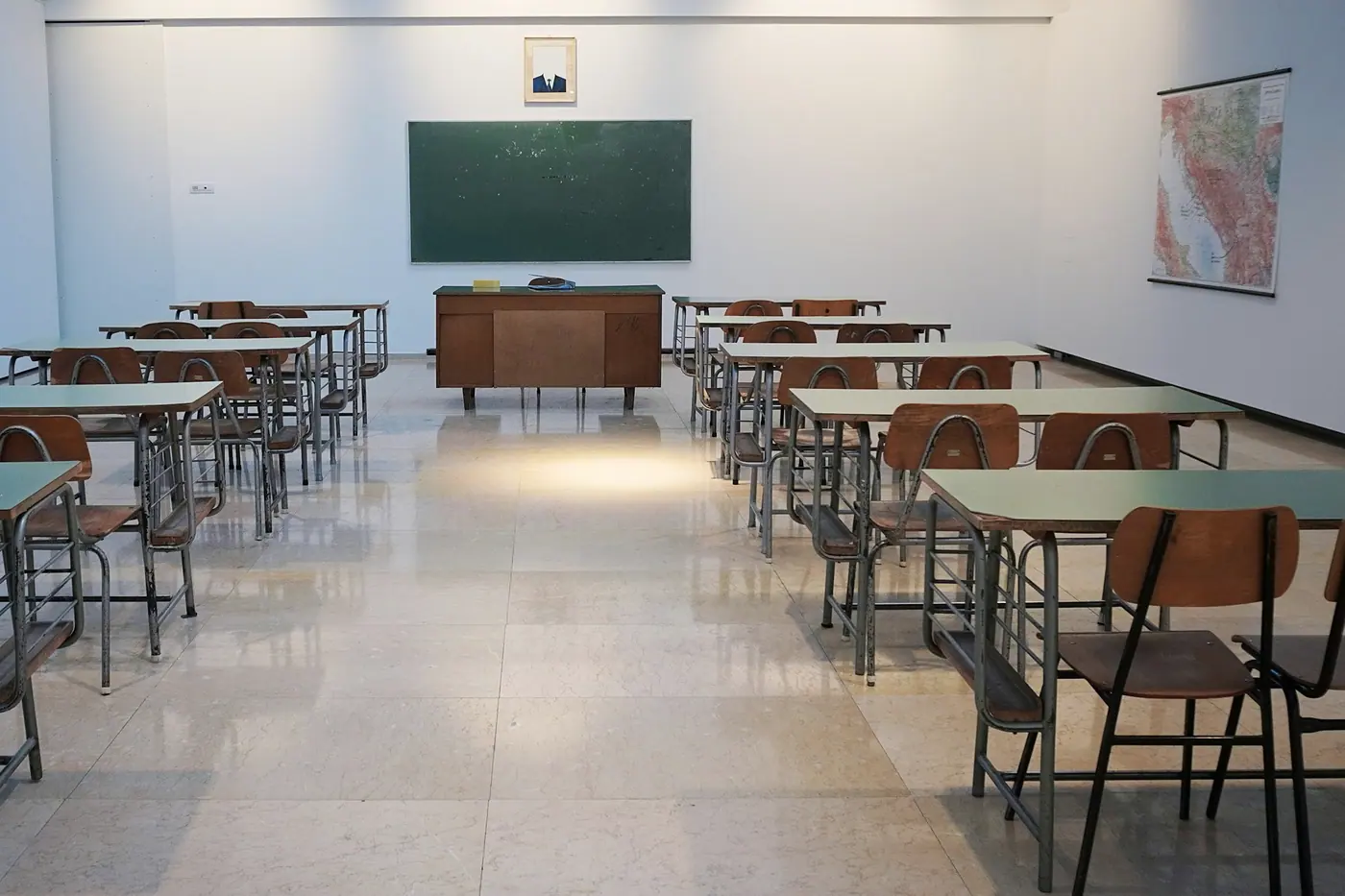
Interactive panels are the category where the purchase is easy and the outcome is uncertain. Schools across Pakistan have bought them in volume — Sindh alone signed a PKR 1.4 billion agreement to put interactive displays into more than ten thousand classrooms — and a meaningful proportion of installed panels end up used as expensive projectors, or not used at all, because nobody trained the teachers and the panel was mounted where half the room cannot read it.
So we do three things differently. We size the panel against the actual room — furthest viewing distance determines minimum diagonal, and a 65-inch panel in a deep classroom is genuinely unreadable from the back row regardless of its specification. We check what the wall is made of before quoting a mount, because a heavy panel on an unreinforced partition is a safety problem, not a technical one. And we include hands-on training as part of the installation rather than as a line item that gets removed when the budget tightens.
For procurement-led buyers there is a further consideration: panel specifications in tenders are frequently written around a model that has since been superseded. We quote against the BOQ line by line with compliance stated, and provide the documentation your committee needs to accept an equivalent.
How we handle smart screens
Sized to furthest viewing distance
Panel diagonal is calculated from the back row, not from the budget. A screen the rear third of a classroom cannot read has failed regardless of its specification.
Mount checked against actual wall structure
We verify what the wall is built from and specify a mount and fixing accordingly, including a floor-standing or trolley option where the structure will not safely carry the load.
Training included, not optional
Hands-on sessions with the teachers or staff who will actually use it. This single factor separates panels that get used daily from panels that get used as a display.
Content and connectivity configured
Wireless casting, laptop connections, network access and any classroom software set up and tested with your own devices before we leave site.
Tender-compliant documentation
Line-by-line BOQ compliance statements plus manufacturer specification sheets, so a procurement committee can justify an equivalent where the specified model is discontinued.
Rollout scheduling around teaching
Multi-room installations are staged around the timetable or term calendar. Classrooms come back into use the same day wherever it is physically possible.
From enquiry to working smart screens
These steps are specific to smart screens & interactive displays — the survey, the checks and the commissioning differ meaningfully by category.
Room-by-room measurement
Furthest viewing distance, ceiling height, ambient light and window position recorded per room. Rooms that look identical on a floor plan frequently are not.
Wall structure and mounting assessment
We establish what each wall is actually built from and whether it will carry a panel of the proposed weight, before anything is quoted.
Panel and mount specification
Diagonal, touch technology, brightness and mount type specified per room, with a stated reason where different rooms get different sizes.
Installation and cable management
Mounted, levelled, power and network brought to the panel in containment rather than trailing, and floor-level cabling eliminated where children are present.
Configuration and device pairing
Network, casting and any teaching software configured and tested against the laptops and tablets staff will genuinely be using.
Staff training and follow-up
Hands-on training per site with a follow-up session after several weeks of use, when staff have real questions rather than theoretical ones.
Common problems with smart screens — and what we do about them
These are the failures we are called in to fix. Each one is preventable at specification stage.
Back of the room cannot read the screen
Diagonal sized from measured furthest viewing distance per room, rather than one panel size applied across an entire building.
Panel mounted on a wall that cannot carry it
Wall construction verified before quotation, with mobile stands specified where fixed mounting would not be safe.
Panels used as ordinary projectors
Hands-on staff training included in the installation, plus a follow-up visit once teachers have had time to hit real problems.
Glare making the panel unusable at certain hours
Window position and ambient light assessed per room, with brightness specified and mounting position adjusted to avoid direct glare.
Tender specifies a discontinued model
Line-by-line compliance quoting with manufacturer documentation supporting each equivalent, so the committee has grounds to accept the substitution.
The KPK education opportunity, and its practical constraint
Khyber Pakhtunkhwa has more than forty universities alongside the Higher Education Department’s school network, and smart-classroom funding is genuinely flowing. The practical constraint in the province is rarely enthusiasm and almost always infrastructure: many classrooms lack a network drop, a spare protected circuit, or a wall built to carry a sixty-kilogram panel. We survey those three things per room before quoting, because a panel budget that ignores them turns into a variation order halfway through the rollout — which is exactly the sort of surprise a public-sector buyer cannot easily absorb.
Smart Screens — questions we get asked
Specific to this service line. If yours is not covered here, ask us directly and we will answer it properly.
What size interactive panel does a standard classroom need?
Work backwards from the furthest student. As a practical rule, the screen diagonal in inches should be roughly the distance in feet from the back row to the screen, multiplied by four to six depending on how much fine detail — small text, diagrams, numerals — the teaching involves. For a typical Pakistani classroom with the back row around eighteen to twenty feet from the front, that puts you at 75 inches or larger for comfortable readability. A 65-inch panel is genuinely adequate only in smaller rooms or seminar spaces, though it is frequently specified in larger ones on cost grounds.
What do interactive smart boards cost in Pakistan, and what drives the price?
Panels are commonly available from 55 inches up to 110 inches, and the price moves sharply with diagonal, touch technology and whether an integrated computing module is included. Beyond the panel itself, the variables that move a project budget are mounting — particularly where walls need reinforcement or mobile stands are required — power and network provision to each room, and whether training is genuinely included. For multi-room school rollouts, some suppliers have brought instalment structures to market, which has made the technology reachable for schools that could not fund it as a capital purchase.
Do teachers actually use these, or do they become expensive whiteboards?
Honestly, both outcomes are common, and training is the variable that decides which one you get. A panel installed without hands-on staff time reliably becomes a display surface — teachers project to it and carry on as before, because learning new classroom technology during a working term is a genuine ask. What works is short practical sessions with the actual teaching staff, using their own material, followed up a few weeks later when they have hit real problems rather than hypothetical ones. We build that into the installation because a school that does not use its panels does not order more.
Can interactive panels work reliably where power is unstable?
They need protected power to do so, and this is worth planning rather than discovering. A panel that loses power mid-lesson is disruptive; one that suffers repeated unclean shutdowns will eventually develop faults. For schools in areas with frequent load-shedding we would generally recommend either a UPS sized for the panel and its computing module, or bringing the classroom circuit onto an existing inverter or solar backup where the school already has one. We can assess and quote that alongside the panels rather than leaving it as a problem for afterwards.
Can you supply against an education department tender specification?
Yes, and this is a substantial part of our smart-screen work. Education tenders in Pakistan frequently specify panels by a model number that has already been superseded by the time the tender is evaluated, which makes literal compliance impossible for any bidder. We quote line by line against the BOQ, state each item as compliant or equivalent, and supply manufacturer specification sheets demonstrating that the proposed panel meets or exceeds the stated resolution, touch points, brightness and warranty. That documentation is what a procurement committee needs on file to accept the substitution.
Related services
These are usually specified alongside smart screens.
Power & Solar Solutions
Solar, inverters, battery storage and UPS — sized against your actual load profile and tariff, with the payback arithmetic shown honestly.
Network Equipment
Switches, routers, structured cabling and wireless — designed for the building you actually have, then labelled and documented properly.
Computers & Laptops
Desktops, laptops and workstations sourced against your actual workload, imaged and asset-tagged before they reach your team.
Sectors we supply this to
The constraints differ considerably by sector — these pages set out how.
Education
Schools, colleges and universities — computer labs, smart classrooms, campus networks and the power to keep them running.
Government & Public Sector
Departments, authorities and district offices — tender-compliant supply with the documentation, substitution justification and delivery evidence audit requires.
Corporate & SME
Growing companies and established businesses — office fit-outs, equipment refreshes, network builds and the support arrangement that follows.
Send us room dimensions and we will size the panels.
Give us the number of rooms and the distance to the back row. We will specify diagonals per room, check mounting, and quote installation and training as one figure.