
IT supply for hospitals, clinics and diagnostic centres
Ward and clinical workstations, records infrastructure, uninterrupted power and surveillance — specified around continuity, because a healthcare system cannot simply be restarted.
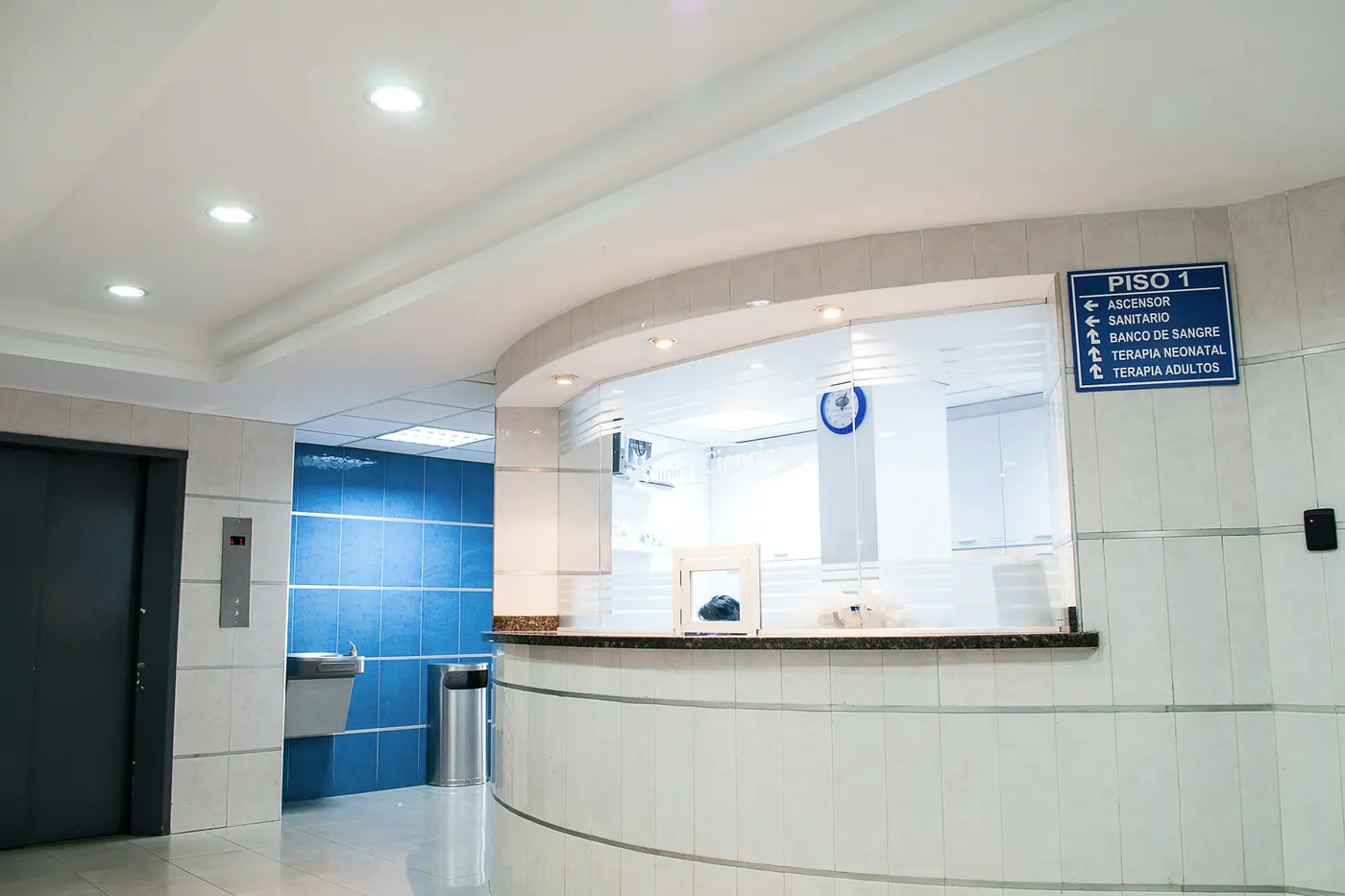
Healthcare is the sector where the cost of an outage is measured in something other than money, and it changes every specification decision. A retail business whose till system goes down for an hour loses an hour of trade. A hospital whose records system goes down during an admission has a clinical problem, not an IT problem, and the difference has to be visible in how the infrastructure is designed rather than in how it is described afterwards.
Practically, that means redundancy is not optional at the points where it matters, protected power is base specification rather than an upsell, and anything holding patient records gets a tested restore rather than an assumed backup. It also means installation scheduling is genuinely difficult: there is no term break, no quiet season and no weekend when a hospital is closed. Work has to be phased around clinical activity, ward by ward, often at hours nobody enjoys.
Peshawar carries substantial healthcare weight — Khyber Teaching Hospital alone runs to around 1,600 beds, Khyber Medical University serves as the province’s regulatory body for medical and dental colleges, and there is a significant private hospital and pharmaceutical cluster around them. The buying is real and continuous. What these institutions consistently report is that suppliers treat them like commercial offices, quoting equipment without any account of the continuity requirements that make healthcare different.
What healthcare buyers actually order
Drawn from what this sector requests most, and why the specification differs from a general commercial buyer.
Clinical and ward workstations
Often on carts or wall-mounted, needing durability and easy cleaning rather than the fastest available processor.
Records and imaging servers with storage
Patient records and imaging generate sustained data growth, so capacity planning and a tested restore path matter more than peak performance.
Label and prescription printers
High duty cycle in pharmacy and pathology, with consumable availability a genuine continuity risk if a model is stranded locally.
UPS and generator-integrated power
Not a resilience upgrade but a base requirement. Runtime is sized for controlled shutdown at absolute minimum.
Surveillance for wards, pharmacy and entrances
Retention periods are typically longer because complaints and incidents surface weeks after the event.
Segmented clinical networking
Clinical systems, administrative traffic and guest WiFi separated, because a public waiting-room network sharing infrastructure with records is a real exposure.
What goes wrong for healthcare buyers
Each of these describes what actually happens, why it damages trust, and what we do differently.
Suppliers who cannot work around clinical activity
A contractor quotes a two-day installation assuming free access, then discovers the ward cannot be closed, the corridor cannot be obstructed, and drilling is not acceptable during rounds.
The work stretches across weeks of partial access, the hospital loses confidence in the schedule, and the department that authorised it takes the criticism internally.
We phase healthcare installations by clinical area, agree access windows with the ward or department manager directly, and carry out noise-generating and dust-generating work outside those windows. The schedule is agreed with clinical staff, not just with procurement.
Backups that were never tested
A records server is installed with a backup job configured, everyone assumes it works, and nobody attempts a restore until the day it is genuinely needed.
The institution believes it holds patient data safely and discovers otherwise at the worst possible moment, with regulatory and clinical consequences beyond the technical failure.
Where a backup target is in scope we perform and document a live restore during commissioning, with the hospital’s own IT staff watching. An untested backup is an assumption and we will not sign one off as a safeguard.
Power protection treated as an optional line
Equipment is quoted without UPS to keep a competitive headline figure, and the hospital finds out during the first outage that the records server did not shut down cleanly.
Repeated unclean shutdowns cause database corruption that surfaces gradually, and the cause is rarely traced back to the original specification decision.
Protected power is included in the base specification for anything clinical, with runtime sized deliberately and the transfer behaviour of each device tested during commissioning rather than assumed.
What a hospital engagement usually looks like
A representative project in a mid-sized hospital begins with a walk of each clinical area alongside the department manager rather than only with the IT or procurement lead, because access constraints are known at ward level and nowhere else. Power is assessed at the same time: existing UPS capacity, battery age, generator changeover behaviour and which circuits are genuinely protected. Installation is then phased by area, with disruptive work scheduled into agreed windows, and any records or imaging infrastructure commissioned with a documented live restore before it carries real data.
This describes how a representative project in this sector runs. It is not a client case study — we do not publish attributed project details without written permission, and we do not publish unattributed ones at all.
What you get from us
- Clinical-area access windows agreed with department managers, not assumed
- Existing UPS capacity and battery age assessed before new load is added
- Phased installation so no ward loses function for more than an agreed window
- Documented live restore performed before any records system goes into use
- Drive-wipe certification for every decommissioned machine holding patient data
What we supply to healthcare
Listed in the order this sector typically requests them.
Servers & Storage
Tower and rack servers, NAS and backup storage — sized honestly, racked properly, and commissioned with the power and cooling actually checked.
DetailsPower & Solar Solutions
Solar, inverters, battery storage and UPS — sized against your actual load profile and tariff, with the payback arithmetic shown honestly.
DetailsComputers & Laptops
Desktops, laptops and workstations sourced against your actual workload, imaged and asset-tagged before they reach your team.
DetailsSecurity & Surveillance
CCTV, access control and monitoring — designed around what you actually need to see, with storage sized for the retention period you require.
DetailsPrinters & Scanners
Office and high-volume printing, scanning and document capture — specified on cost per page, with consumables you can actually keep buying.
DetailsNetwork Equipment
Switches, routers, structured cabling and wireless — designed for the building you actually have, then labelled and documented properly.
DetailsPricing for healthcare
Healthcare quotations separate equipment, protected power and installation labour explicitly, because the power component is frequently a larger share than buyers expect and hiding it inside a total makes it impossible to scrutinise. Phased installation across clinical areas is priced per phase so a hospital can approve and release against departmental budgets. Where an existing UPS estate is being assessed, that survey is quoted separately and is deductible against the resulting order.
Assess the existing UPS estate before adding load
The most common preventable failure we find in Peshawar hospitals is a UPS that was correctly sized when it was installed and has not been reassessed since, while load has grown steadily around it. Battery capacity degrades on a predictable curve, and a unit that showed twenty minutes of runtime five years ago may now deliver three. Before adding any new clinical equipment to a protected circuit, it is worth having the existing runtime measured rather than assumed — it is a short piece of work and it regularly changes what a project needs to include.
Healthcare — questions we get asked
Specific to this sector's constraints, not general enquiries.
How do you install IT equipment in a hospital that cannot close?
By phasing to clinical areas and agreeing access windows with the people who actually control them. We walk the site with department and ward managers rather than only with procurement, because they know when a bay is genuinely free and when a corridor cannot be obstructed. Disruptive work — drilling, containment installation, anything generating dust or noise — is scheduled into agreed windows, frequently at night or during known low-activity periods. It makes the installation longer in calendar terms than a commercial equivalent, and we quote it that way honestly rather than promising a timeline that assumes access we will not get.
What happens to patient data on machines you replace?
Drives are wiped to a documented overwrite standard before anything leaves your premises, and you receive a certificate recording the machine, its serial and the method used. For healthcare that certificate matters considerably more than any residual value in the hardware, because it is what demonstrates you handled patient data properly at disposal. Where a drive has failed and cannot be reliably wiped, we physically destroy it rather than removing it from site, and document that instead — a dead drive is still readable to anyone determined enough.
How should a hospital size UPS runtime for clinical systems?
Start from what has to happen during an outage rather than from a target number of minutes. For most clinical records and imaging systems the genuine minimum is enough runtime for a controlled shutdown, which prevents the database corruption that repeated unclean shutdowns cause. Beyond that, the question is which systems must stay actively usable while the generator starts and stabilises — typically admissions, pharmacy dispensing and anything supporting an active procedure. We size those separately and at higher runtime rather than applying one figure across the estate, because protecting everything to the highest standard is rarely affordable and rarely necessary.
What retention period should a hospital specify for CCTV?
Longer than a commercial premises, because of how incidents surface in healthcare. Complaints, insurance matters and safeguarding concerns frequently come to light weeks after the event rather than within days, so a fifteen-day retention that would be adequate for retail leaves a hospital without footage exactly when it is asked for. Sixty to ninety days is a more realistic specification for wards, entrances and pharmacy areas. That is largely a storage cost rather than a system redesign, which is why it is worth deciding deliberately at specification stage.
Can you separate clinical systems from the public waiting-room network?
Yes, and it should be a requirement rather than an option. Patient and visitor WiFi sharing infrastructure with clinical systems is a genuine exposure, and it is startlingly common in hospitals that grew their network organically over a decade. We segment clinical, administrative, guest and surveillance traffic onto separate VLANs with controlled routing between them, configured at installation. Retrofitting segmentation onto a flat hospital network later is possible but considerably more disruptive, which is an argument for doing it during any planned network work rather than as a standalone project.
Other sectors we supply
Where we cover
Working in healthcare? Tell us your constraints.
Send the requirement and the things that limit it — access windows, budget release schedule, documentation your process needs. We will quote against both.